June 4, 2026
Choosing the right ground cover around a home’s foundation influences far more than curb appeal. It directly affects how water drains away from the structure, how moisture builds up or disperses over time, and how vulnerable the perimeter becomes to pest activity. It also plays a role in soil stability and how consistently the area holds up under seasonal weather changes like heavy rain, heat, or freeze cycles. Over time, these conditions can either support a clean, dry foundation line or create an environment that requires frequent maintenance and corrective treatment. In many cases, these small landscaping decisions influence structural health in ways that are not immediately visible but become significant over months and years.
Many property owners default to mulch because it is affordable, widely available, and easy to install. It also provides an immediate finished look that blends naturally with plants and garden beds. However, its behavior near foundations is often misunderstood or underestimated, especially when it begins to break down and retain moisture over time. That combination can shift the conditions around a home in ways that encourage unwanted pest activity and increase maintenance demands. Understanding how rock and mulch perform differently in terms of moisture control, pest resistance, and long-term durability helps clarify which option better supports stability, protection, and reduced upkeep around the home.
Comparing Rock and Mulch for Foundation Protection
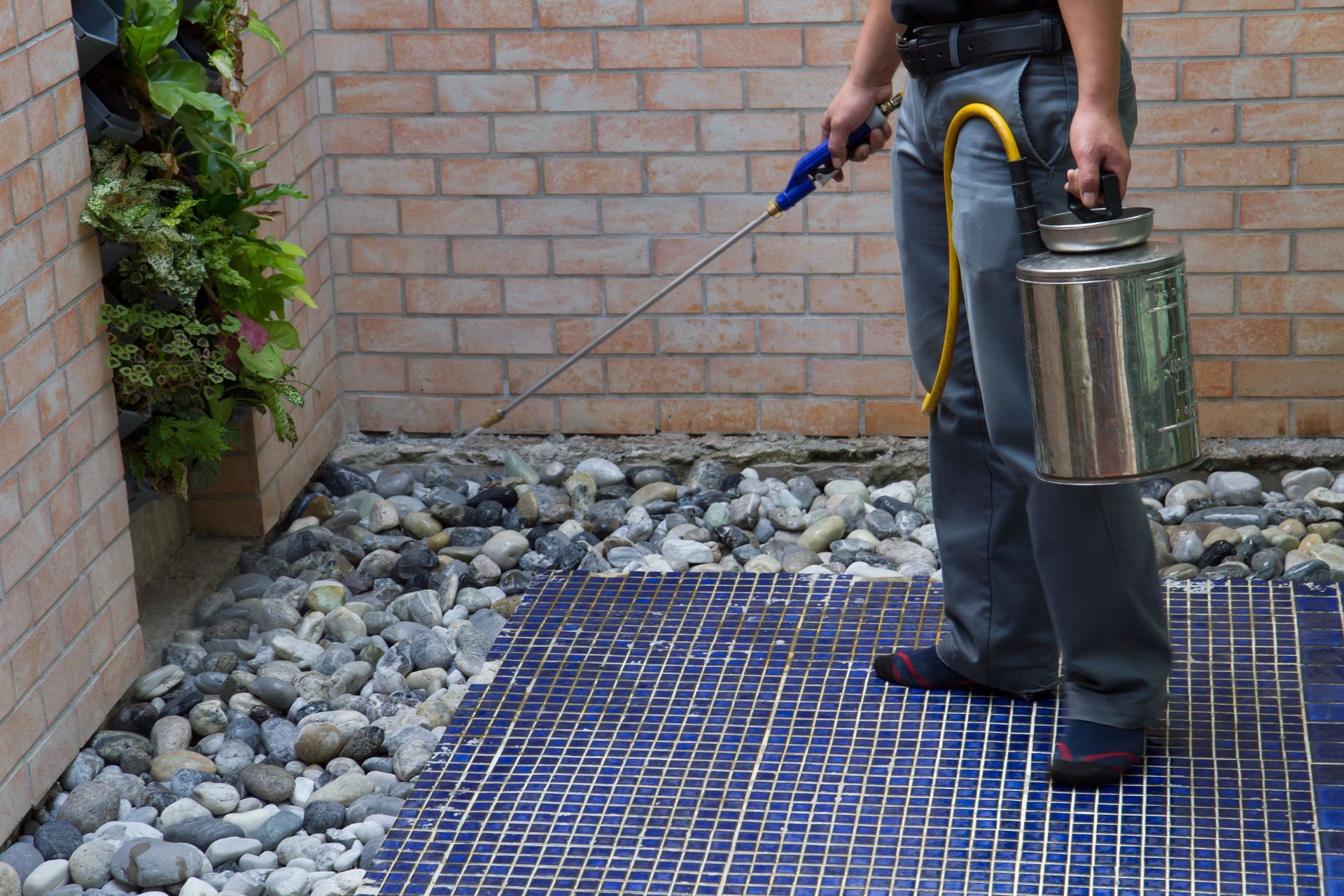
Mulch is often selected for its natural look and ability to support soil health in planting areas. However, when placed close to a structure, it introduces organic material that gradually breaks down and alters the soil environment. That breakdown process increases biological activity right against the foundation, which can unintentionally support pest movement and nesting. In contrast, stone creates a stable, non-organic buffer that does not decompose or feed insect populations.
Another key difference is how each material interacts with structural edges. Mulch tends to shift over time, especially after heavy rain or wind, which can expose bare soil. This exposure creates pathways that pests can use to move closer to the home. Stone remains in place more effectively and forms a more consistent perimeter. Over time, this consistency makes it easier to maintain a cleaner boundary that supports long-term protection without frequent adjustments.
Reducing Pest Activity Around Foundations
Moisture control plays a major role in determining pest presence near homes. Organic ground cover holds water for extended periods, creating damp conditions that attract insects like ants, termites, and other moisture-seeking pests. These conditions are especially problematic in shaded areas where drying time is slower. Limiting moisture buildup near the foundation reduces the likelihood of pests establishing long-term activity zones.
Stone improves surface drainage and reduces the amount of retained moisture at ground level. Water flows through gaps rather than pooling, which helps keep the perimeter drier and less hospitable. This also reduces the soft organic layer that many pests rely on for shelter. In practical terms, homeowners often notice fewer recurring issues when replacing mulch with stone in high-risk zones. These improvements are frequently reinforced in discussions with a pest control company focused on long-term prevention rather than repeated treatment cycles.
Improving Drainage and Soil Stability
Proper drainage is essential for protecting both landscaping and structural integrity. When water collects near a foundation, it can weaken soil stability and create conditions that allow pests to move more easily through softened ground. Over time, this can contribute to both structural wear and increased insect activity. A dry, well-structured perimeter is far less likely to support pest movement or nesting behavior.
Stone layers improve drainage by allowing water to pass through rather than remain trapped at the surface. This reduces saturation and helps maintain a more stable soil environment beneath. It also limits erosion during heavy rainfall, keeping the foundation edge more secure. A pest control company often evaluates these conditions when diagnosing persistent issues because moisture control is directly tied to infestation risk.
According to This Old House, a gravel or stone barrier of roughly one to two feet around a foundation can help discourage pest movement by reducing moisture and limiting accessible habitat conditions. In practice, this type of setup creates both a physical and environmental barrier that supports long-term prevention strategies.
Maintaining Long Term Ground Covering Systems
Maintenance requirements differ significantly between mulch and stone systems. Mulch breaks down naturally over time, which means it must be replenished regularly to maintain depth and appearance. Seasonal weather conditions can accelerate this process, requiring frequent touch-ups to avoid thin or uneven coverage. These changes can expose soil and create inconsistent conditions near the foundation.
Stone systems are far more stable once installed. They do not decompose, lose volume, or require seasonal replacement. Occasional cleaning or minor repositioning is usually enough to maintain their effectiveness. This consistency reduces ongoing disruption around the home and helps preserve a more controlled perimeter environment. A pest control company often sees fewer recurring perimeter issues in properties that rely on stable, low-maintenance ground cover systems.
Evaluating Cost and Durability Differences
At first glance, mulch appears to be the more cost-effective option due to its low upfront price. However, repeated replacement cycles quickly add to long-term expenses. Each refresh requires material, labor, and time, especially in larger landscape areas. These recurring costs can become more significant over several years of maintenance.
Stone requires a higher initial investment but offers long-term durability without replacement cycles. Once installed, it remains effective for years with minimal upkeep. This reduces both direct material costs and indirect maintenance expenses. Over time, this stability often leads to fewer pest-related interventions as well. A pest control company frequently considers these long-term cost factors when advising homeowners on prevention-focused landscaping choices.
Understanding Professional Pest Control Recommendations
Professional pest prevention strategies focus heavily on eliminating conditions that attract insects in the first place. Organic material near a structure is one of the most common contributing factors to recurring infestations. It provides both food sources and sheltered environments where pests can thrive. Reducing or removing these conditions is often a first step in long-term control planning.
Stone helps support this strategy by removing organic buildup near the foundation and reducing moisture retention. It also integrates well with other preventative measures such as sealing entry points and managing irrigation flow. When combined, these efforts significantly reduce the likelihood of recurring infestations. A pest control company typically emphasizes this layered approach because it delivers more consistent long-term results than reactive treatments alone.
Choosing Foundation Barrier Materials
Selecting between mulch and stone depends on balancing appearance, maintenance expectations, and long-term risk. Mulch still has value in garden areas where plant health is the primary focus, but proximity to the structure is a critical factor. When placed too close to a foundation, it can unintentionally increase moisture and pest activity over time.
A blended approach is often the most practical solution. Stone is used directly along the foundation line to create a stable barrier, while mulch is placed farther out in planting zones. This allows homeowners to maintain visual appeal without compromising structural protection. In many cases, guidance from a pest control company supports this hybrid method because it reduces risk while preserving design flexibility.
Stone provides a more stable and controlled perimeter around foundations by reducing moisture retention, limiting organic buildup, and discouraging pest activity. A pest control company often emphasizes that this type of setup reduces the conditions that attract insects and helps maintain a more consistent protective barrier over time. While mulch remains useful in broader landscaping applications, its behavior near structures introduces avoidable risks that can increase maintenance and long-term treatment needs. A pest control company may also point out that mulch breakdown near foundations can contribute to recurring pest pressure if not properly managed. A well-planned ground cover strategy improves both property appearance and structural protection over time. For homeowners focused on prevention and durability, stone remains the more reliable foundation barrier choice. To strengthen long-term protection and reduce pest risks around your home, connect with Shield Pest Defense for expert guidance and tailored solutions.