June 10, 2026
Residential property maintenance requires a keen eye for detail, particularly when managing outdoor storage areas that can inadvertently become invitations for wood-destroying organisms. Understanding the importance of preventing pest infestations is crucial for maintaining a healthy and safe home environment. Termites and ants are particularly notorious for establishing colonies through woodpiles, causing significant damage if left unchecked.
This article explores various preventive measures to mitigate risks associated with these pests, focusing specifically on how wood storage acts as a structural bridge to your residence. By implementing a proactive strategy for residential pest control, homeowners can avoid the massive financial burden associated with structural repairs while ensuring their living space remains secure.
Understanding Termite and Ant Behavior
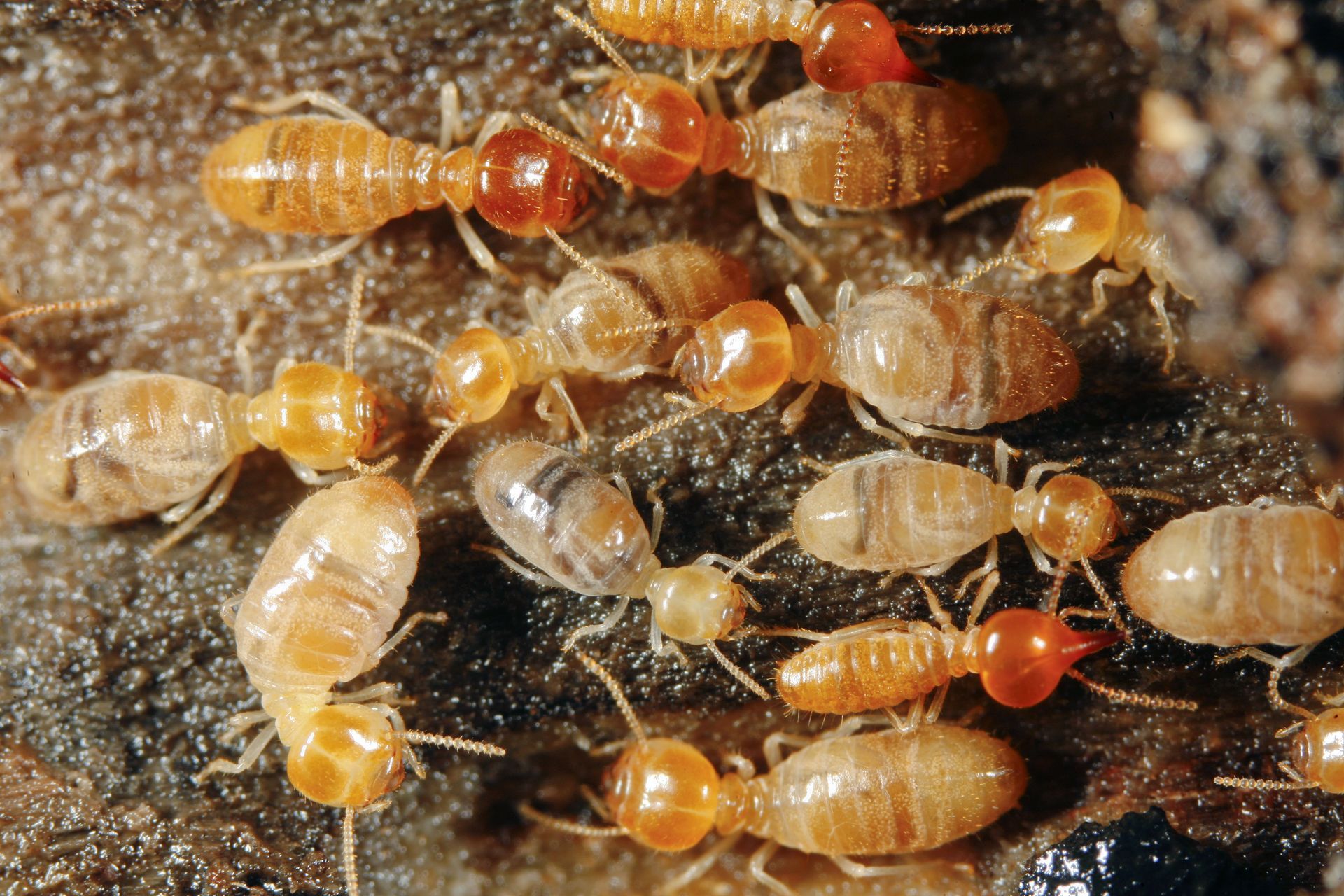
Termites are among the most destructive pests for homeowners, with subterranean and drywood species being the most common culprits in the region. Subterranean termites form large colonies in the soil and create mud tubes to infest wooden structures, often entering through the foundation. These termites are highly destructive, as they consume wood by feeding on cellulose, causing considerable structural damage over time. Conversely, drywood termites establish colonies directly within the wood they infest, requiring less contact with soil. Homeowners need to recognize the behaviors of these species to effectively implement control and prevention strategies.
Identifying Common Indoor Ants
Among the ant species that commonly invade homes, carpenter ants pose a significant threat due to their affinity for nesting in wood structures. Although they do not eat wood, they hollow out spaces within wooden elements to build their colonies, potentially causing structural instability. Other ant species, such as odorous house ants and pavement ants, form colonies near woodpiles, drawn by the protection and warmth these piles provide. The ability to identify these species is important for homeowners so they can employ appropriate control measures before a small trail becomes a full-scale invasion.
Recognizing Entry Bridges and Signs
Termites and ants typically exploit structural weaknesses in a home's exterior to gain entry. Subterranean termites, for instance, can construct mud tubes that span non-wood barriers such as concrete, giving them access to above-ground wood structures. Indicators of termite activity include visible mud tubes, hollow-sounding wood, and discarded wings around the home. Ant trails are often more noticeable, with foraging ants leaving pheromone trails to and from food sources. Regular inspections are crucial to detecting these signs early, allowing for timely intervention in residential pest control efforts.
Managing Woodpiles for Pest Prevention
Proper location selection for storing woodpiles is a critical step in pest prevention. According to This Old House, you should store firewood at least 20 feet away from your home to minimize pest habitation. Keeping woodpiles at a distance minimizes easy access points for pests to bridge towards the home's structure. Additionally, choosing an area with good air circulation reduces moisture accumulation, which is highly attractive to both termites and ants. Storing wood on a concrete slab or gravel bed rather than directly on the soil can further deter subterranean pest incursions.
Elevating Storage Structures
Elevating woodpiles off the ground is another effective strategy for minimizing infestations. Using sturdy pallets or constructing platforms ensures the wood remains dry and deters direct contact with the soil, where termites are most active. Elevation also facilitates inspecting and monitoring the pile for pest activity without disturbing the arrangement. Ensuring the platform allows for adequate airflow beneath the stack helps maintain dryness, deterring pest attraction. Breaking the chain of access that pests use from ground-based colonies to wood sources is a fundamental principle of residential pest control.
Maintaining and Covering Piles
Effective covering techniques help protect woodpiles from moisture, which acts as a magnet for wood-destroying insects. Using waterproof tarps or specially designed log covers that allow for ventilation can minimize pest attraction while keeping the wood dry. When covering, ensure that it doesn't extend completely to the ground, as this promotes moisture buildup and potentially conceals pest activity. Regular inspection of woodpiles is essential; homeowners should consistently check for mud tubes or ant trails. Rotating the supply—ensuring older wood is used first—prevents long-term infestation by not allowing any one section of the pile to remain undisturbed for too long.
Modifying Landscaping and Structures
Developing barrier zones around the home is an effective strategy to deter termite and ant entry. These barriers can be made of materials like gravel, which pests find difficult to traverse, effectively slowing their progress. Similarly, using mulch or concrete strips at least 18 inches from the home's foundation can discourage pest encroachment by eliminating direct contact points. Regular maintenance of these zones prevents organic matter accumulation, which could otherwise serve as food or shelter for pests. Implementing physical barriers contributes significantly to an integrated approach to residential pest control.
Sealing Structural Entry Points
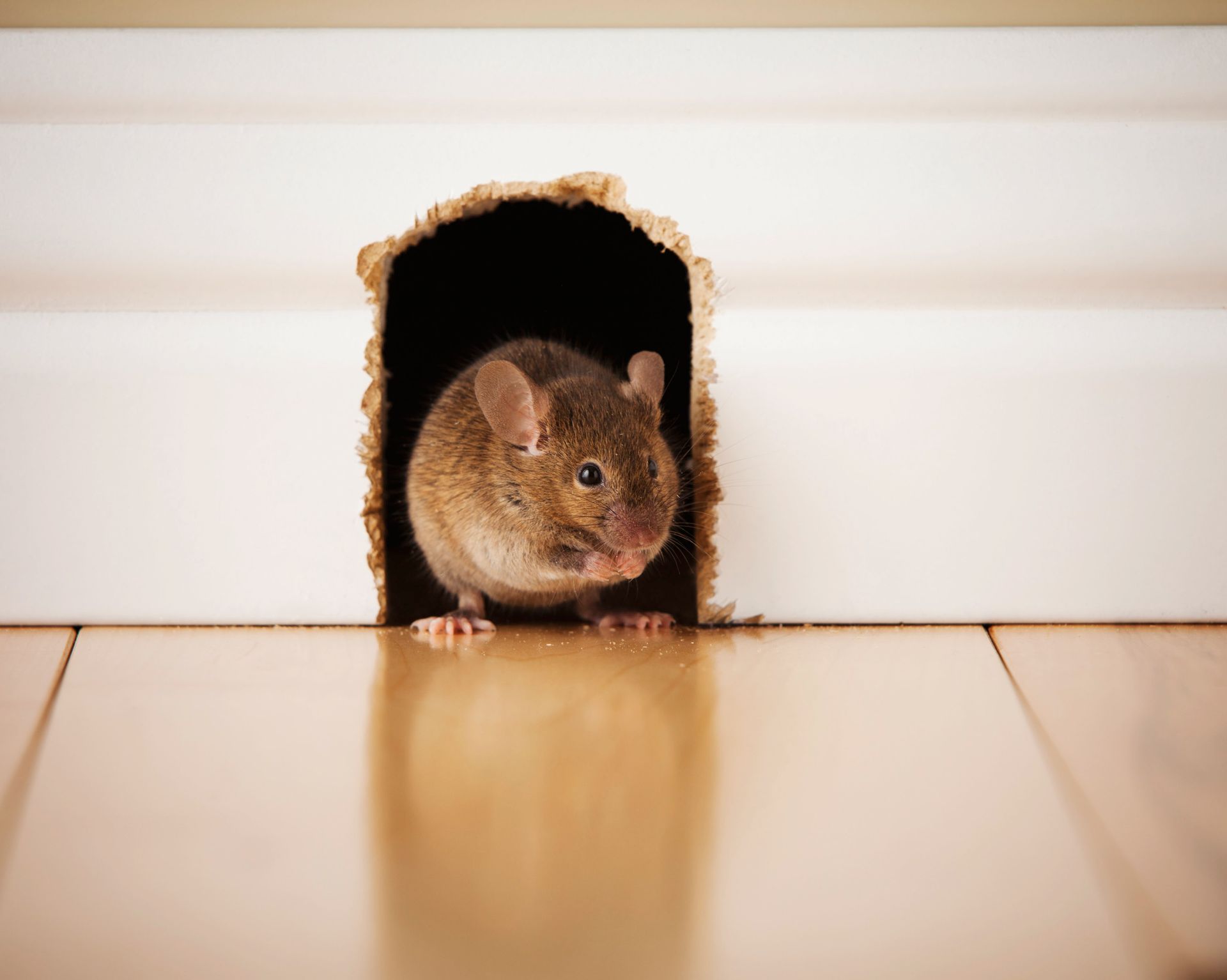
Sealing entry points is fundamental to preventing pest access to indoor spaces and maintaining a home's structural integrity. Strategic sealing of cracks and crevices, especially around doors, windows, and foundations, limits entry paths for termites and ants. Installation of meshes or screens over vents can prevent pests from penetrating indoor areas. Other barriers, such as seals on utility pipes and wires, block common entry points used by rodents and insects. Investing in high-quality materials and construction practices can significantly enhance a structure's resilience against pest incursions.
Optimizing Drainage Systems
Proper drainage systems ensure that water flows away from the home, reducing the likelihood of pest attraction due to excess moisture. Efficient gutter systems direct rainwater away from both the foundation and nearby woodpiles, mitigating water pooling. French drains or other subsurface drainage solutions can maintain a dry environment around the home and wood storage areas, offering long-term protection against moisture-loving pests. By eliminating moisture, homes become less attractive to termites and ants, thus decreasing infestation risks.
Performing Routine Inspection and Monitoring
Consistently assessing key at-risk areas is essential to maintaining a proactive stance against invasions. Areas of historical infestations, wooden exteriors, and moisture-prone regions should be prioritized during inspections. By focusing on these vulnerabilities, homeowners can detect early signs of pest activity like frass, wood damage, or mud tubes. This methodical approach ensures that potential infestations are identified before they escalate, allowing for timely intervention. Scheduled inspections are vital in sustaining vigilance and preventing pests from establishing themselves unnoticed.
Setting a Monitoring Schedule
A structured monitoring schedule establishes consistency in pest detection and prevention efforts across different seasonal periods. Homeowners should establish inspection intervals that reflect the unique pest pressures and lifecycle patterns they face, which may include more frequent checks during peak activity times in the spring and summer. This schedule should also encompass routine checks of both interior and exterior spaces, such as crawl spaces and attics, which are vulnerable to infestations. Organized scheduling enhances early detection, which is crucial for effective residential pest control plans.
Consulting Professional Exterminators
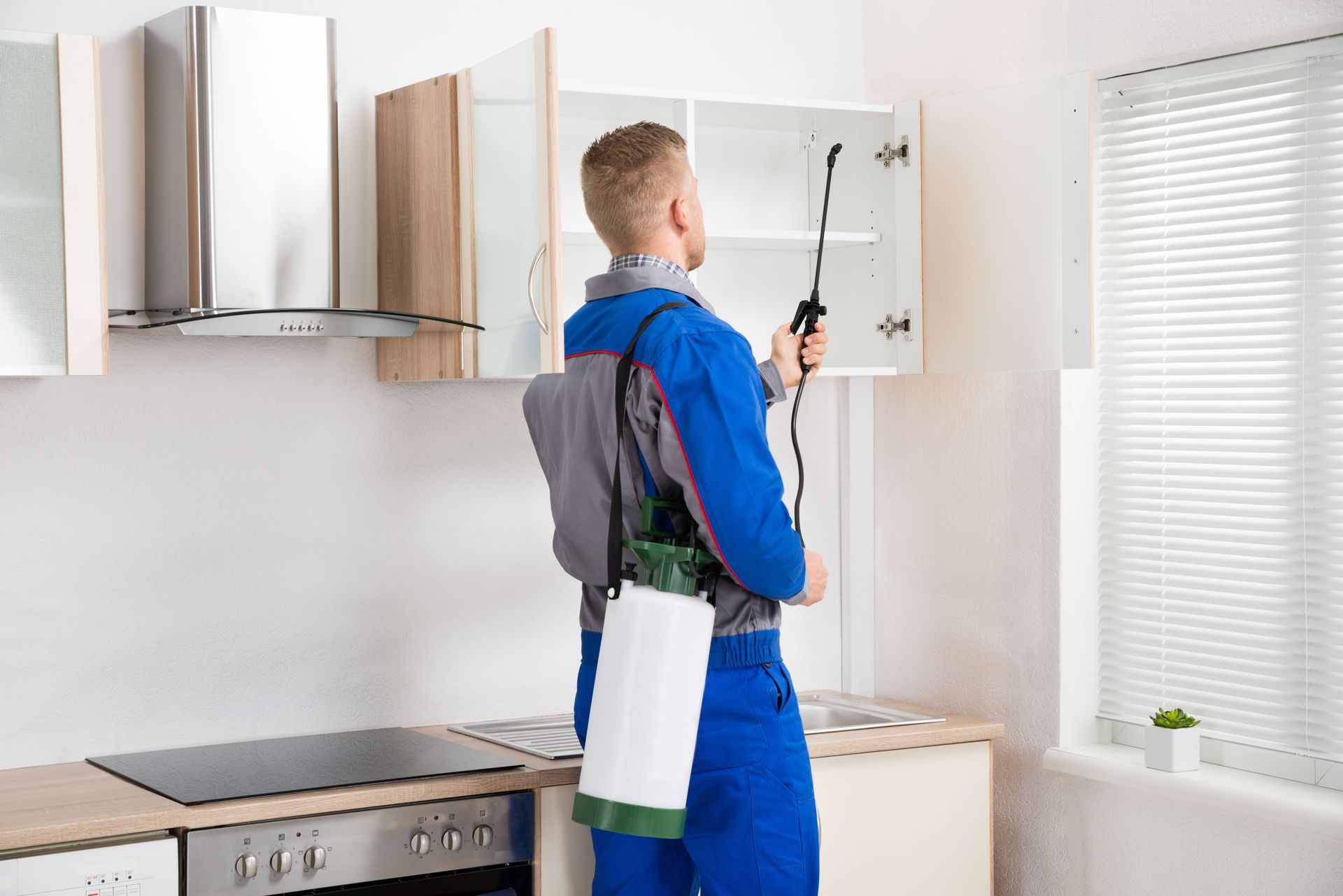
There are limits to what homeowners can do to manage pest activity. Persistent or widespread infestations requiring specialized intervention necessitate the expertise of licensed pest inspectors. Professionals provide comprehensive assessments, identifying underlying issues and providing solutions aligned with industry-leading practices. They help implement robust surveillance and prevention programs, such as termite baiting systems or rodent exclusion services. Involving specialists when necessary ensures a balanced and effective approach to tackling residential challenges.
Protecting your home from the silent destruction caused by termites and wood-boring ants requires a combination of vigilant woodpile management and professional structural defense. While moving firewood and sealing cracks are excellent first steps, the most effective protection comes from a comprehensive, expert-led strategy. Whether you are dealing with a current infestation or looking to protect your home for the future, specialized knowledge is your best asset in maintaining a pest-free environment.
Shield Pest Defense is dedicated to providing high-quality, effective solutions for homeowners throughout the region. Our team offers a wide range of services, including termite inspection and termite pest control. If you are ready to secure your home against wood-destroying insects and other invaders, contact Shield Pest Defense today to schedule your consultation and experience the most reliable residential pest control available.