October 13, 2026
Pests are often drawn to properties that provide easy access to food, water, and shelter. Something as simple as a leaking pipe, uncovered trash can, or overgrown area near the foundation can create conditions that encourage unwanted activity. While these factors may seem minor, they can make a home much more appealing to insects and rodents. Understanding what attracts household pests can help homeowners address potential problems early and take practical steps to make their properties less inviting.
Understanding Common Pest Attractants
Household pests rarely appear without a reason. Food, water, shelter, and easy access can all make a property more appealing to insects and rodents. Small maintenance issues can create the conditions pests need to survive, reproduce, and move throughout a home. Understanding these attractants can help homeowners take preventive steps before a minor issue develops into a larger infestation. When prevention is not enough, professional pest control services can help identify the conditions contributing to pest activity and address the problem.
Managing Available Food
Food crumbs, spills, uncovered trash, and improperly stored groceries can quickly attract pests. Ants, cockroaches, and rodents can detect accessible food and may return repeatedly once they find a reliable source. Cleaning counters and floors regularly, wiping up spills promptly, and keeping food in sealed containers can make a home less appealing.
Pet food deserves attention as well. Leaving bowls filled overnight or storing food in open bags can give pests an easy meal. Store pet food in airtight containers and clean feeding areas after meals. These simple habits can reduce available food sources and support the effectiveness of pest control services when professional treatment is needed.
Securing Household Waste
Uncovered trash cans can also attract insects and rodents because food odors become stronger as waste sits. Use containers with tight-fitting lids and remove garbage regularly. Rinsing recyclable food containers before placing them in recycling bins can also reduce lingering odors.
Where trash cans are stored matters, too. Keeping them away from doors, windows, and other potential entry points can create another layer of protection. Good waste management is especially important when food scraps or other organic materials are regularly discarded.
Controlling Moisture Around the Property
Repairing Leaks and Plumbing Issues
Water is another major factor that can make a property attractive to pests. Cockroaches, rodents, ants, and other pests may seek out moisture from leaking faucets, pipes, or appliances. Homeowners should check visible plumbing regularly and address leaks before they create persistent damp areas.
Bathrooms can present similar problems when deteriorating caulk allows water to seep behind tubs or showers. Resealing worn areas and using bathroom ventilation can help control excess moisture. Addressing these conditions early can complement professional pest control services by removing resources pests may need to survive.
Eliminating Standing Water
Water that collects outdoors can create additional pest problems. Gutters, flowerpots, buckets, low areas in lawns, and other containers may hold rainwater after storms. Standing water can provide breeding conditions for mosquitoes, while consistently damp soil may attract other moisture-loving pests.
Improving drainage, clearing clogged gutters, and emptying containers after rainfall can reduce these opportunities. Downspouts should also direct water away from the foundation when possible. Keeping the area around the home dry is an important part of broader pest prevention.
Managing Damp Interior Spaces
Basements, crawl spaces, and attics can become attractive pest habitats when moisture and poor ventilation are present. Regularly inspect these areas for leaks, condensation, water intrusion, and other signs of excess moisture. Dehumidifiers and appropriate ventilation may help keep these spaces drier.
Foundation areas deserve attention as well. According to This Old House, a one to two-foot gravel or stone barrier around your foundation can be a great pest repellent. A well-maintained perimeter can make it more difficult for pests to move directly from surrounding landscaping toward the structure while also helping homeowners monitor conditions near the foundation.
Reducing Available Shelter
Organizing Storage Areas
Clutter gives pests places to hide and build nests. Cardboard boxes, unused belongings, and stacks of materials can create dark, undisturbed areas where rodents and insects may remain unnoticed. Organizing storage areas and removing unnecessary items can reduce potential hiding places.
Whenever possible, keep stored belongings on shelves instead of directly on floors. Plastic storage containers can also provide more protection than open cardboard boxes. Keeping storage areas accessible makes it easier to spot signs of pest activity before an infestation grows.
Sealing Cracks and Openings
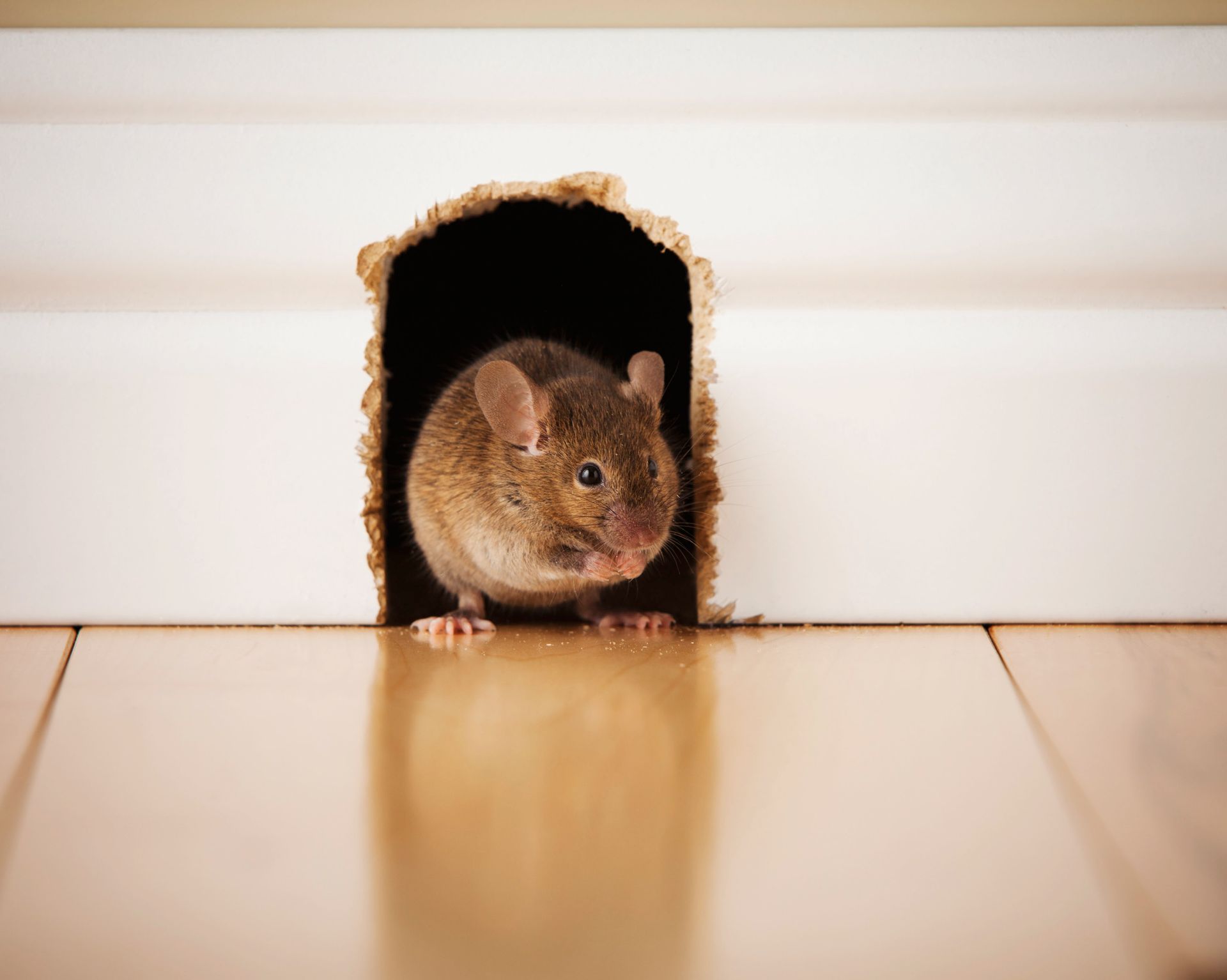
Small cracks around foundations, doors, windows, walls, and utility openings can give pests a convenient way inside. Inspecting these areas regularly and sealing appropriate gaps can reduce potential entry points. Weather stripping around doors and windows can provide an additional barrier.
Some openings can be difficult to identify without a detailed inspection. Professional pest control services can help locate vulnerable areas and determine whether pest activity is connected to conditions around the home's exterior or interior.
Maintaining Outdoor Areas
Unmaintained yards can provide food, shelter, and moisture for pests. Tall grass, overgrown weeds, leaf piles, and dense garden areas may give insects and rodents places to hide close to the home. Regular mowing, trimming, weeding, and removal of excess debris can make the property less inviting.
Landscaping should also be managed around structures. Shrubs, vines, and tree branches that grow directly against a home can create sheltered pathways toward the exterior. Keeping vegetation trimmed and maintaining some separation between plants and structures can help limit these opportunities.
Preventing Conditions That Encourage Infestations
Monitoring the Foundation
The foundation is an important part of a property's pest defense. Cracks, excess moisture, dense vegetation, and organic debris around the foundation can create favorable conditions for pests. Regularly inspecting this area can help homeowners identify potential problems early.
Maintaining a clean, manageable perimeter also makes it easier to notice changes such as new gaps, droppings, insect activity, or moisture. These observations can help homeowners respond before pest activity spreads indoors.
Watching for Early Activity
Preventing every pest from reaching a property is not always possible. However, homeowners can reduce the likelihood of a serious infestation by paying attention to early warning signs. Droppings, damaged food packaging, unusual odors, insect sightings, nesting materials, and unexplained property damage may indicate pest activity.
Repeated sightings are particularly important because they may suggest that pests have found a reliable source of food, water, or shelter. At that point, professional pest control services can provide a more thorough assessment and determine what steps may be appropriate.
Addressing Problems Consistently
Pest prevention works best when it becomes part of routine property maintenance. Cleaning food preparation areas, securing trash, fixing leaks, managing landscaping, reducing clutter, and monitoring the foundation can all make a home less attractive to unwanted pests.
These measures are useful for prevention, but an established infestation may require more than household maintenance. Professional pest control services can help identify the source of pest activity and develop an appropriate approach based on the property and the type of pest involved.
Protecting Your Home From Pest Attractants
A property can become attractive to pests when it consistently provides food, moisture, shelter, or easy access. Fortunately, many of these conditions can be addressed through regular cleaning, maintenance, landscaping, and inspections. Taking action early can make it harder for pests to establish themselves and can support a healthier, more comfortable home environment.
If unwanted pests have already become a problem, Shield Pest Defense can help identify contributing conditions and provide professional solutions. Contact the team to learn more about available pest control services and take the next step toward protecting your property.