November 13, 2025
Household pests are unwelcome guests that can turn our homes from sanctuaries to stressful environments. Whether it's ants in the kitchen, rodents in the attic, or spiders lurking in dark corners, pests often find surprising and seemingly innocuous routes into our living spaces. Even the smallest gaps or overlooked areas can serve as entry points.
Identifying these common access points is the first step in creating an effective pest prevention strategy. By understanding how pests infiltrate your home, you can take proactive steps to protect your family and property. Let's explore some of the most common ways pests enter our homes and offer practical tips to fortify these vulnerable spots.
1. Seal Cracks and Crevices to Block Unwanted Guests
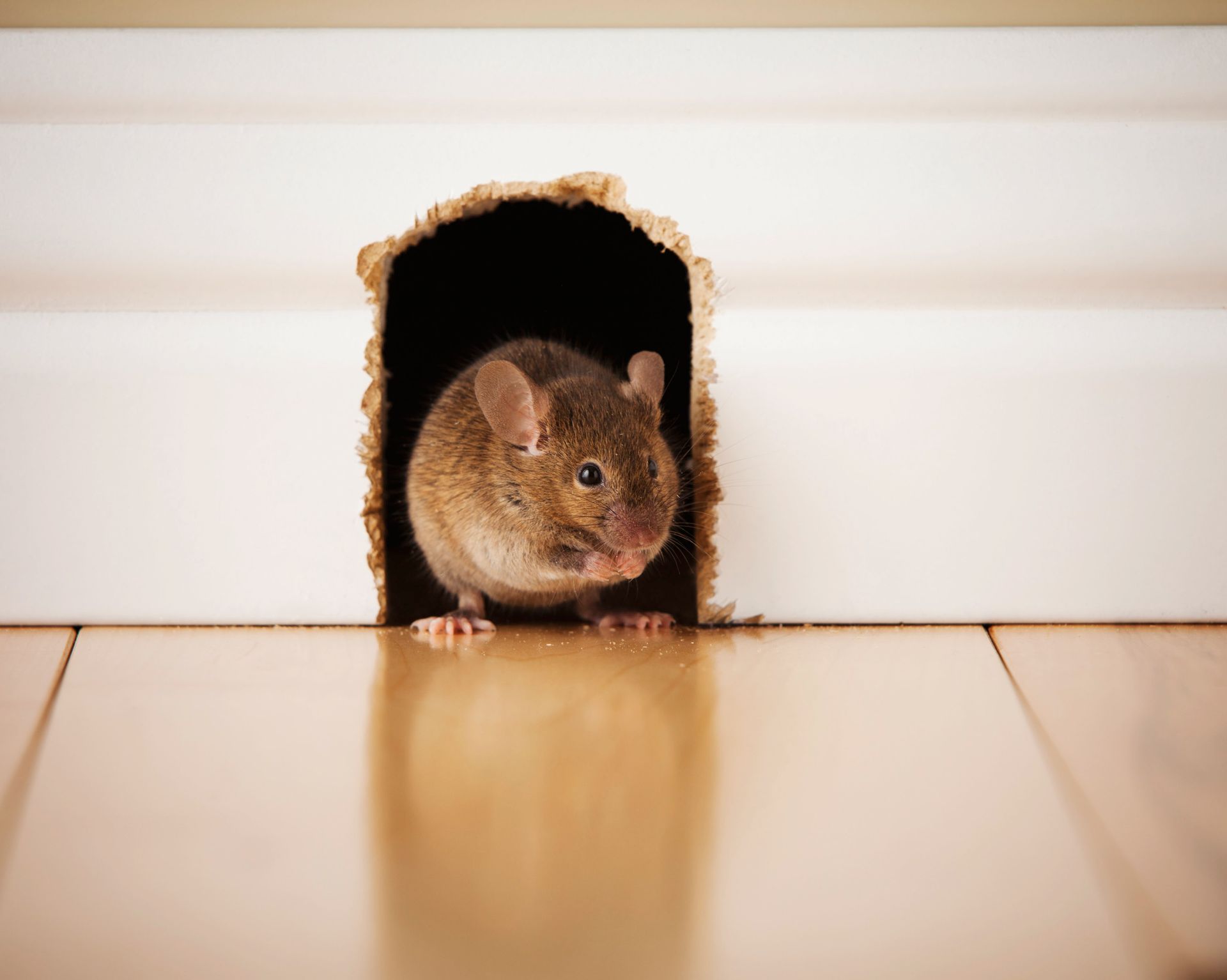
One of the most frequent entry points for pests is through cracks and crevices in the walls and foundation of a home. Tiny insects like ants and spiders can crawl through the smallest of gaps, while rodents can gnaw their way in. Homeowners are often surprised to learn that mice can squeeze through holes as small as a dime. Examining your home's exterior for visible cracks and sealing them with caulk or another appropriate material can significantly reduce the chances of an infestation. Incorporating residential pest control strategies at this stage ensures even hidden gaps are addressed before pests take hold.
2. Fortify Doors and Windows Against Invasions
Doors and windows are common gateways for pests to invade your home. Even when closed, insufficient sealing or damaged weather stripping can offer a wide enough avenue for pests to breach. Regularly checking and replacing weather stripping and using door sweeps can help keep insects and small rodents at bay. Screens should also be inspected for tears or holes and repaired or replaced if necessary. Professional residential pest control services can further evaluate these access points and recommend targeted solutions.
3. Protect Vents and Utility Openings from Intruders
Vents and utility openings provide essential functions for our homes, such as ventilation and access for necessary utilities, but they can also serve as conduits for unwanted pests. Dryer vents, air conditioning units, and cable or plumbing entrances are common culprits. Using vent covers or mesh screens can deter pests while maintaining airflow and utility access. Integrating these measures with regular residential pest control inspections ensures a comprehensive defense against both insects and rodents.
4. Manage Landscaping and Perimeter Barriers
The perimeter of your home plays a significant role in pest prevention. Landscaping choices can either deter or attract pests. According to This Old House, installing a one- to two-foot-wide gravel or stone perimeter around your foundation helps keep pests at bay. This type of barrier obstructs easy passage and promotes better drainage, discouraging moisture-loving pests like termites and ants. Working with a residential pest control provider can help design a yard layout that minimizes pest access and maximizes protection.
5. Inspect Roofs and Attics to Prevent High-Level Access
Roofs and attics are often overlooked as access points for pests, yet they shouldn't be ignored. Birds, bats, and squirrels are notorious for finding gaps in roofing, damaged soffits, or attic vents. Conduct periodic inspections of your roof and attic space, ensuring there are no loose shingles or uncovered vents. Adding mesh guards and repairing any holes or loose panels can prevent these animals from settling in. Including residential pest control measures here ensures that even hard-to-reach areas are monitored and protected.
6. Maintain a Vigilant Defense to Keep Your Home Pest-Free
Staying vigilant about the condition of your home can significantly reduce the risk of a pest invasion. By addressing these common entry points — cracks, doors and windows, vents, landscaping perimeters, and roofs — you stand a much better chance of keeping your home pest-free. While natural deterrents and professional pest control services can provide additional measures of protection, it's the proactive maintenance of these vulnerable areas that proves to be most effective. Remember, your home is your haven, and with a little effort, it can remain that way, pest-free and serene.
By staying vigilant about these common entry points, you strengthen your home's defenses and reduce the risk of infestations. Combine proactive maintenance with professional residential pest control services to maintain a safe, pest-free environment. Contact Shield Pest Defense today to safeguard your home from unwanted invaders.